


.png)
Chief Patrons


Presented by Department of Journalism and Mass Communication

In Association With: Communication Today Journal & Lok Samvad Sansthan
27–28 November, 2026


The 5th All India Media Educators Conference 2026 aims to bring together media educators, researchers, journalists, communication professionals, policymakers, technology experts, industry leaders, research scholars, and students to explore the transformative impact of Artificial Intelligence on journalism, communication, media education, advertising, public relations, filmmaking, animation, digital media, and society. The conference seeks to foster meaningful dialogue on emerging trends, interdisciplinary research, and innovative practices that are reshaping the global media ecosystem.
Through keynote addresses, technical sessions, panel discussions, and scholarly interactions, the conference will provide a vibrant platform for the exchange of ideas, research findings, and best practices. It aims to encourage collaboration between academia and the media industry while promoting ethical, innovative, and future-ready approaches to media education and communication in the age of intelligent technologies. The conference also aspires to inspire critical thinking, facilitate meaningful networking, and contribute to shaping the future of media and communication in an AI-driven world.
Participating in the All India Media Educators Conference 2026 offers a valuable opportunity to engage with leading academics, media professionals, researchers, and technology experts from across the country. The conference is designed to inspire new ideas, encourage meaningful collaborations, and provide practical insights into the rapidly evolving media landscape shaped by Artificial Intelligence.
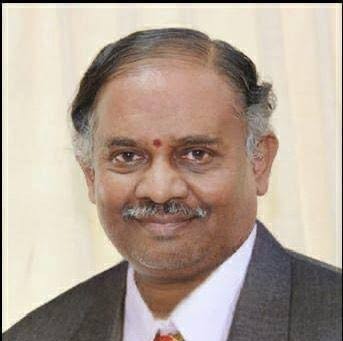
Vice-Chancellor
Bengaluru North University
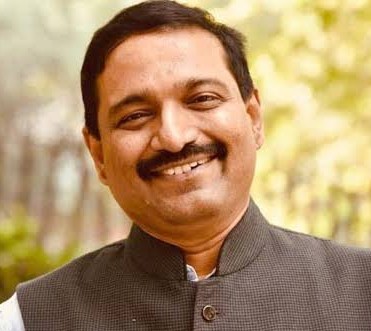
Director
India Habitat Centre
New Delhi
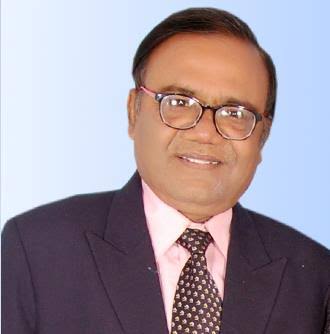
Vice Chancellor
Kushabhau Thakre University of Journalism and Mass Communication
Raipur
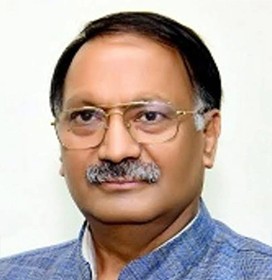
Vice Chancellor
Uttarakhand Open University
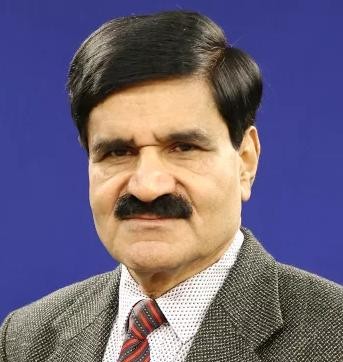
Former Vice Chancellor
Uttarakhand Open University
Professor at IIMC & IGNOU
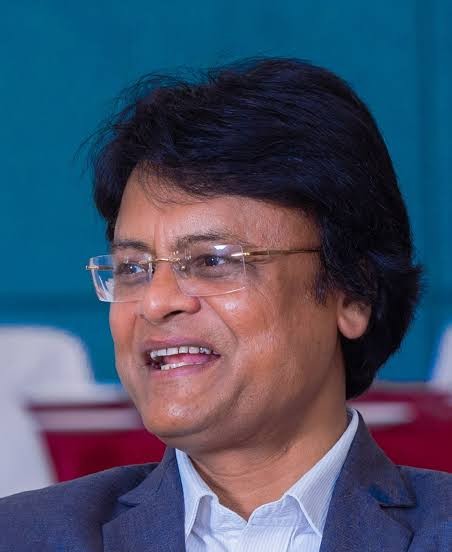
Vice Chancellor
Makhanlal Chaturvedi National University of Journalism and Communication
Bhopal, Madhya Pradesh
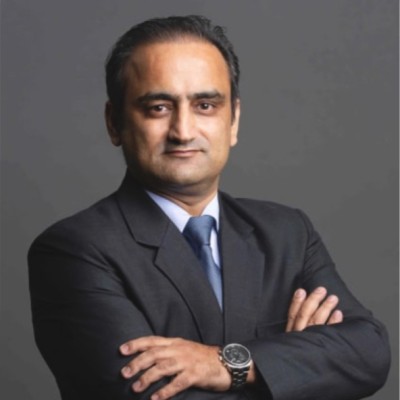
Professor, School of Creative Media,
Bahrain Polytechnic,
Kingdom of Bahrain
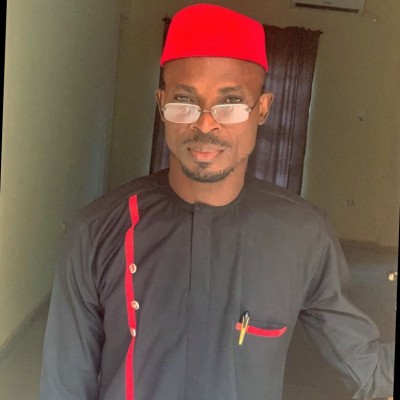
Professor, Department of Mass Communication
Evangel University, Akaeze
Nigeria
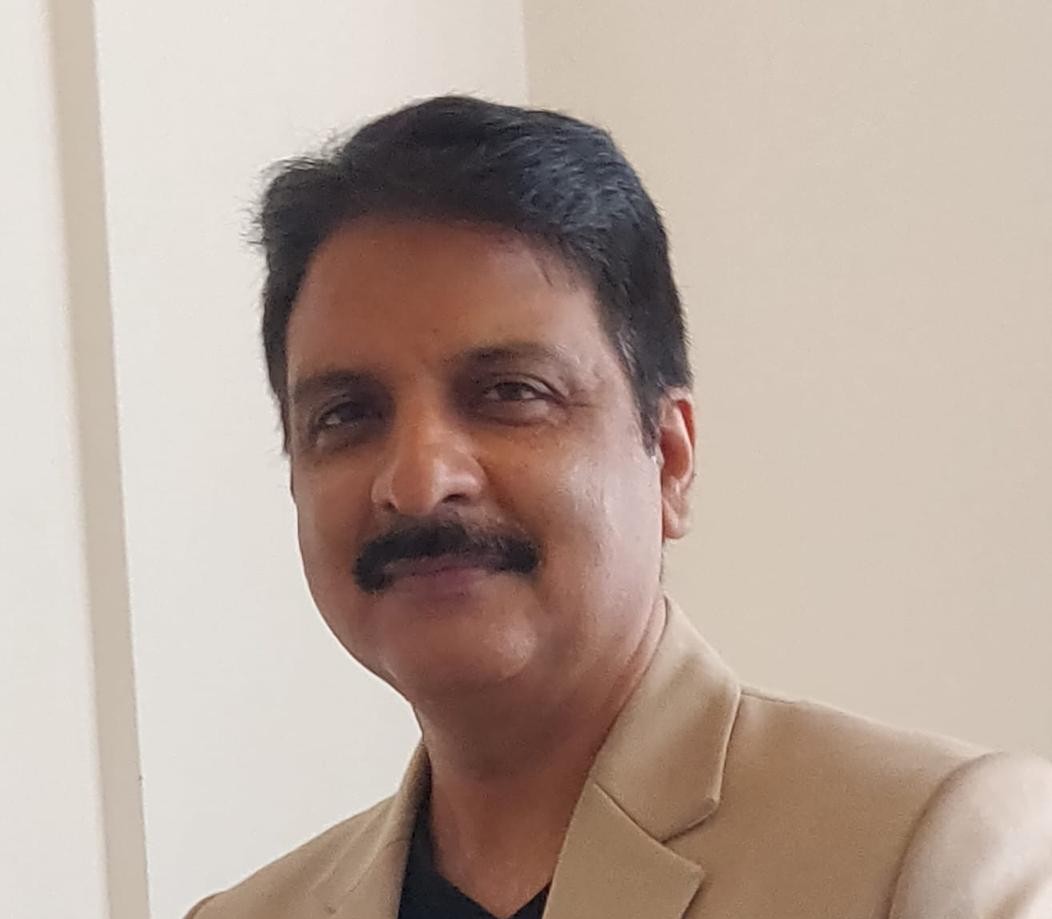
Eminent Professor
Department of Journalism & Mass Communication
Head, Dept. of Communication and Journalism
Director, GU Press
Station Director,
Radio LuitGauhati University, Assam, India
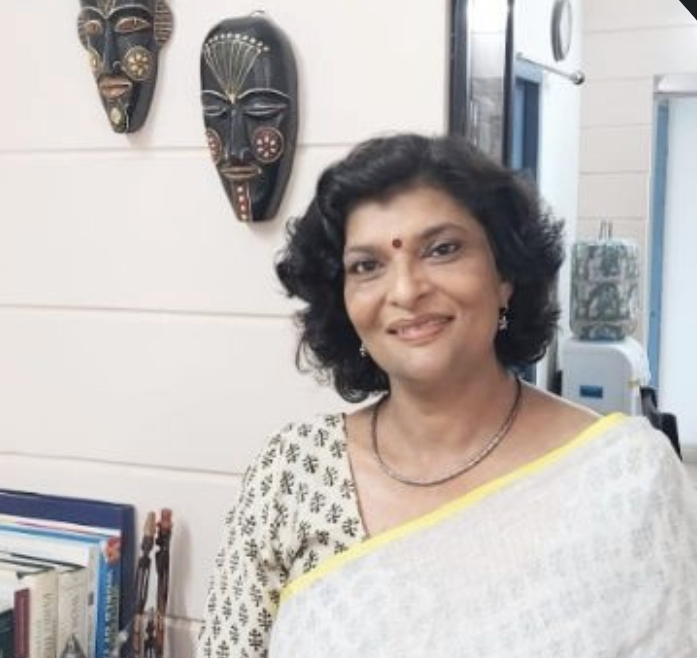
Professor & Chair at School of Communication Studies,
Panjab University, Chandigarh
Dean and Head School of Media Arts & Aesthetics
Department of Mass communication and Media
Central University of South Bihar Gayaji
Associate Professor
Department of Journalism and Mass Communication
Banaras Hindu University, Varanasi
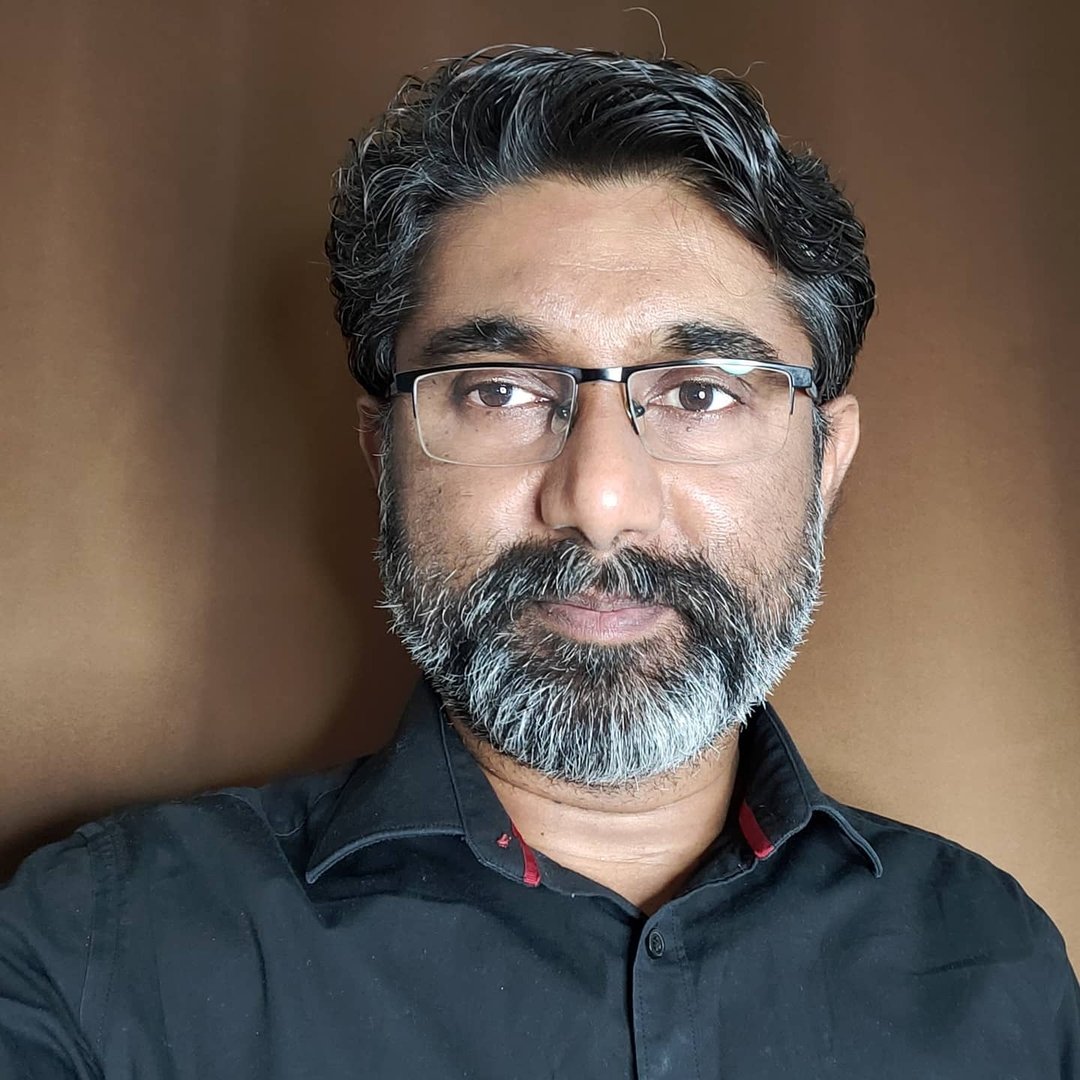
Dean & Head,
Department of Mass Communication,
Central University of Jharkhand, Ranchi
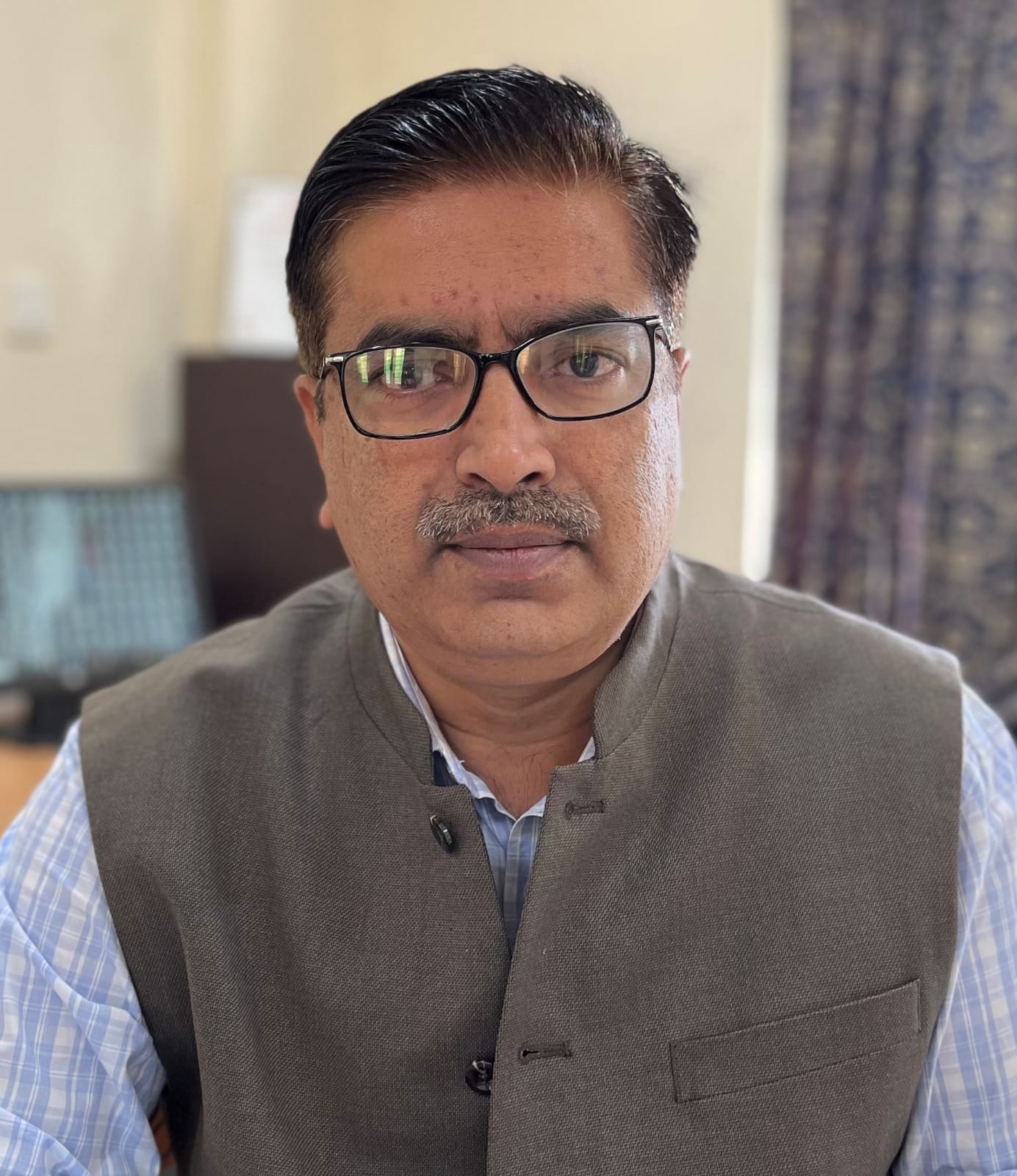
Dean/Head,
School/Department of Mass Communication & Journalism,
MANUU, Hyderabad
Senior Professor (Retired)
Former Vice -Chancellor(I/C)
Assam Central University, Silchar.
Head, Department of Mass Communication and Journalism,
Babasaheb Bhimrao Ambedkar University, Lucknow.
International Affiliation: Vice Chair, Visual Arts, International Association of Mass Communication Research (IAMCR)
Head , Deptt. of Journalism & Mass Communication
(ex. Dean, Faculty of Humanities & Arts)
Maharshi Dayanand University
Rohtak ( Haryana)
Director- Amity School of Communication, Jaipur
Amity University Rajasthan, Jaipur
Professor, Dept.of Mass Communication and Journalism,
Babasaheb Bhimrao Ambedkar Central University, Lucknow.
Director, Bharati Vidyapeeth, New Delhi
Founder Editor-in-Chief, BJIT (SCOPUS Indexed Journal)
Chair, IEEE Delhi Section
Professor of Practice,
Odisha University of Technology and Research (OUTR), Bhubaneswar and Former Professor and Regional Director, IIMC, Dhenkanal
Professor
Department of Mass Communication and New Media,
Central University of Jammu, Samba (J&K)
HOD, Advertising and Public Relations & Dept. Of Cinema Studies Makhanlal Chaturvedi National University of Journalism and Communication, Bhopal, Madhya Pradesh
Dean, Faculty of Journalism and Mass Communication, Indira Gandhi National Tribal University, Amarkantak, Anuppur, MP
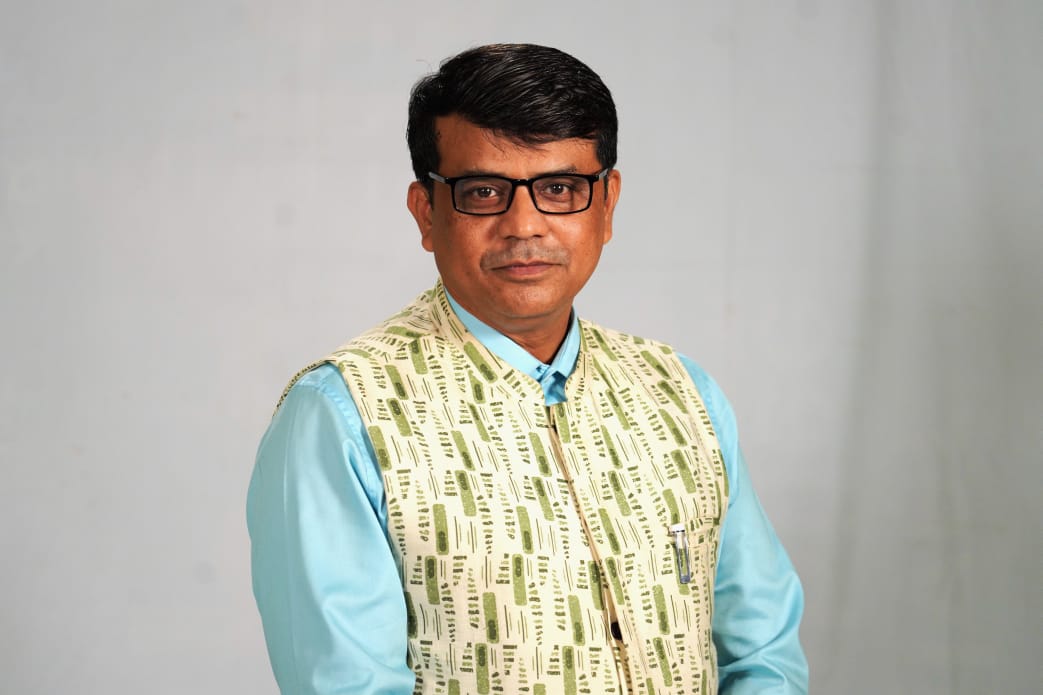
Dean, School of Mass Communication | School of Film & Media Sciences | School of Fashion Technology, Associate Professor, School of Mass Communication, KIIT Deemed to be University, Bhubaneswar,
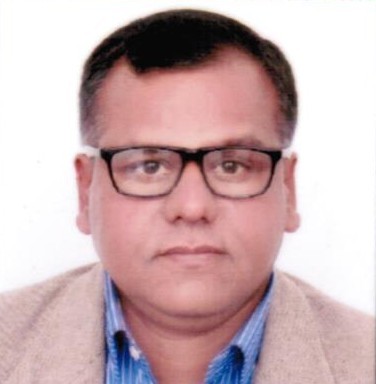
Head and Dean, School of Media and Communication Studies,
Doon University, Dehradun
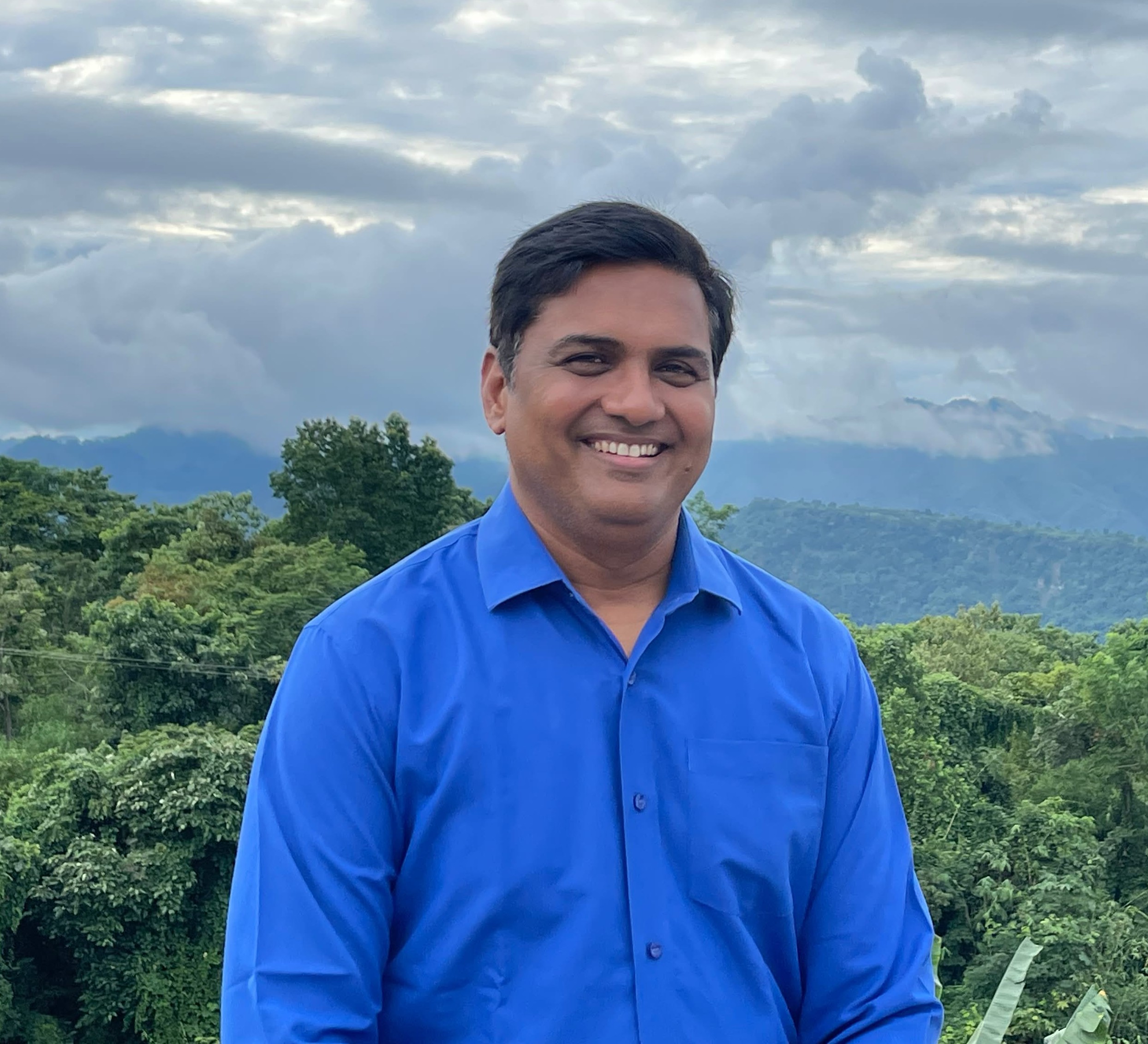
Head of English Journalism, Controller of Examinations, Head of Admissions

Professor
Chhatrapati Shivaji Maharaj University, Mumbai
Assistant Professor
Centre for Media and Mass Communication Studies
Jamia Hamdard, New Delhi
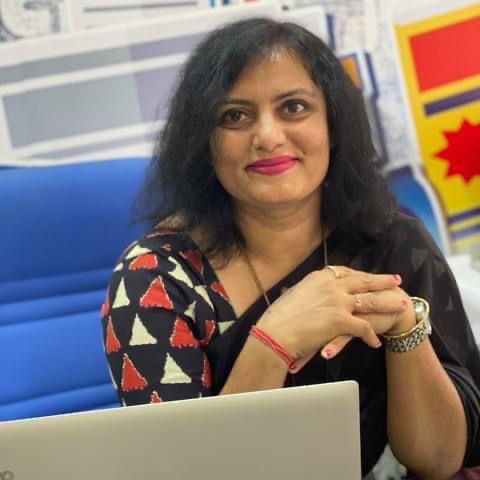
Professor, Dept. of Journalism and Mass Coomunication
Former, Director, EMRC, Mysore
University of Mysore, Karnataka
Dean, School of Media Studies and Dean Academic Affairs
Central University of Kashmir, Ganderbal, J&K
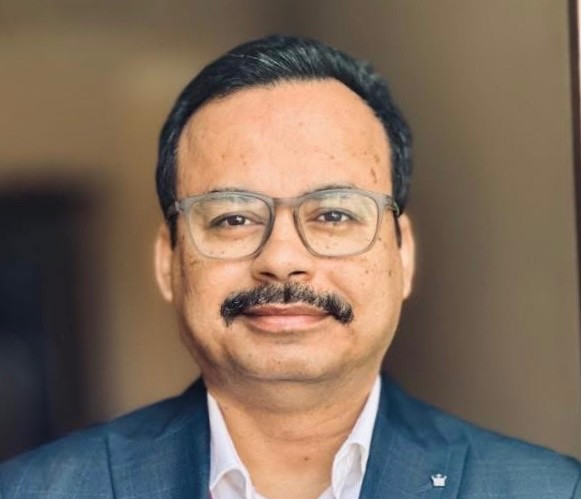
Department of Mass Communication,
Assam University, Silchar ( A Central University)
Dargakona, Cachar, Assam
Professor, SGTB Khalsa College
University of Delhi
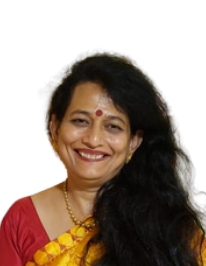
Professor and Head, Department of Communication and Journalism
Swamy Vivekanand Shikshan Sankul, Navrangpura
Gujarat University, Ahmedabad
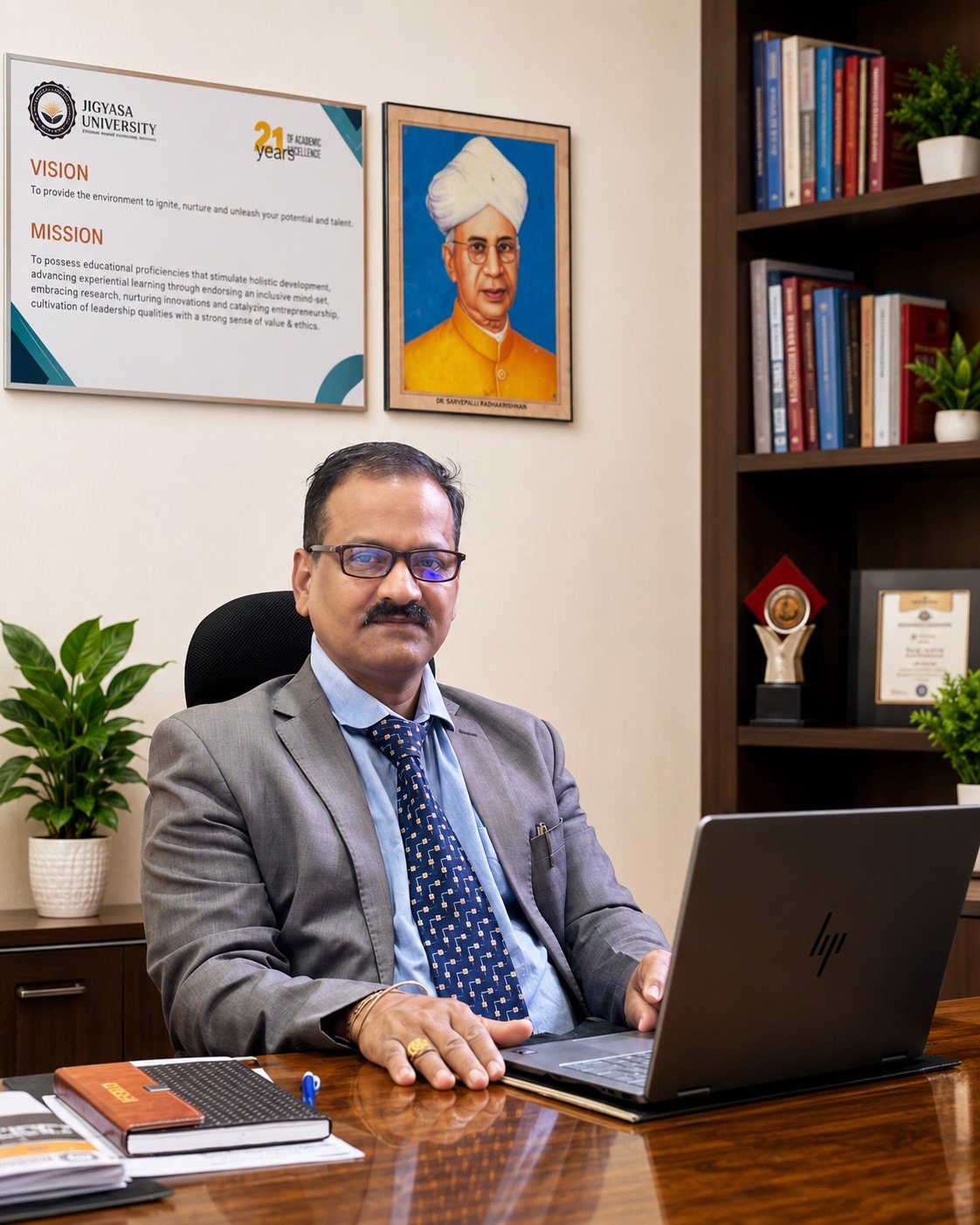
Dean, School of Journalism and Mass Communication Jigyasa University (Formerly Known as Himgiri Zee University) Dehradun, Uttarakhand
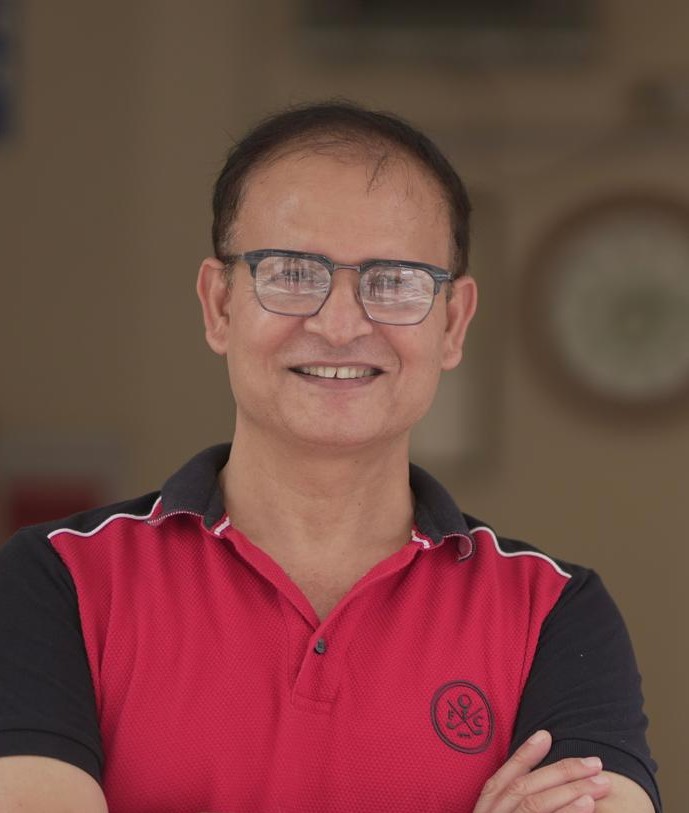
Department of Mass Communication
GURU JAMBHESHWAR UNIVERSITY of Science and Technology
Associate Professor and Head, Dept. of Journalism & Mass Communication, Surendranath College for Women, (University of Calcutta) Co-Chair: International Association for Media and Communication Research (IAMCR), Digital Divide Working Group Editor-in-Chief: Media Watch (SAGE publications)
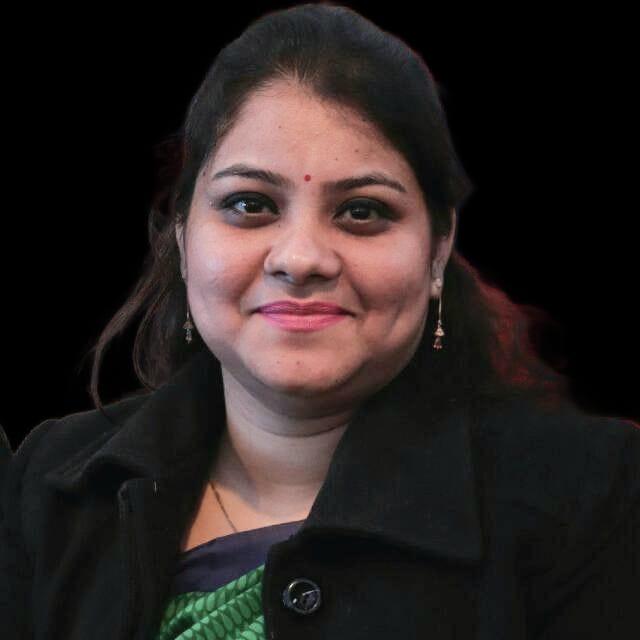
Senior Assistant Professor
Department of Journalism and Mass Communication
IIS (deemed to be University), Jaipur
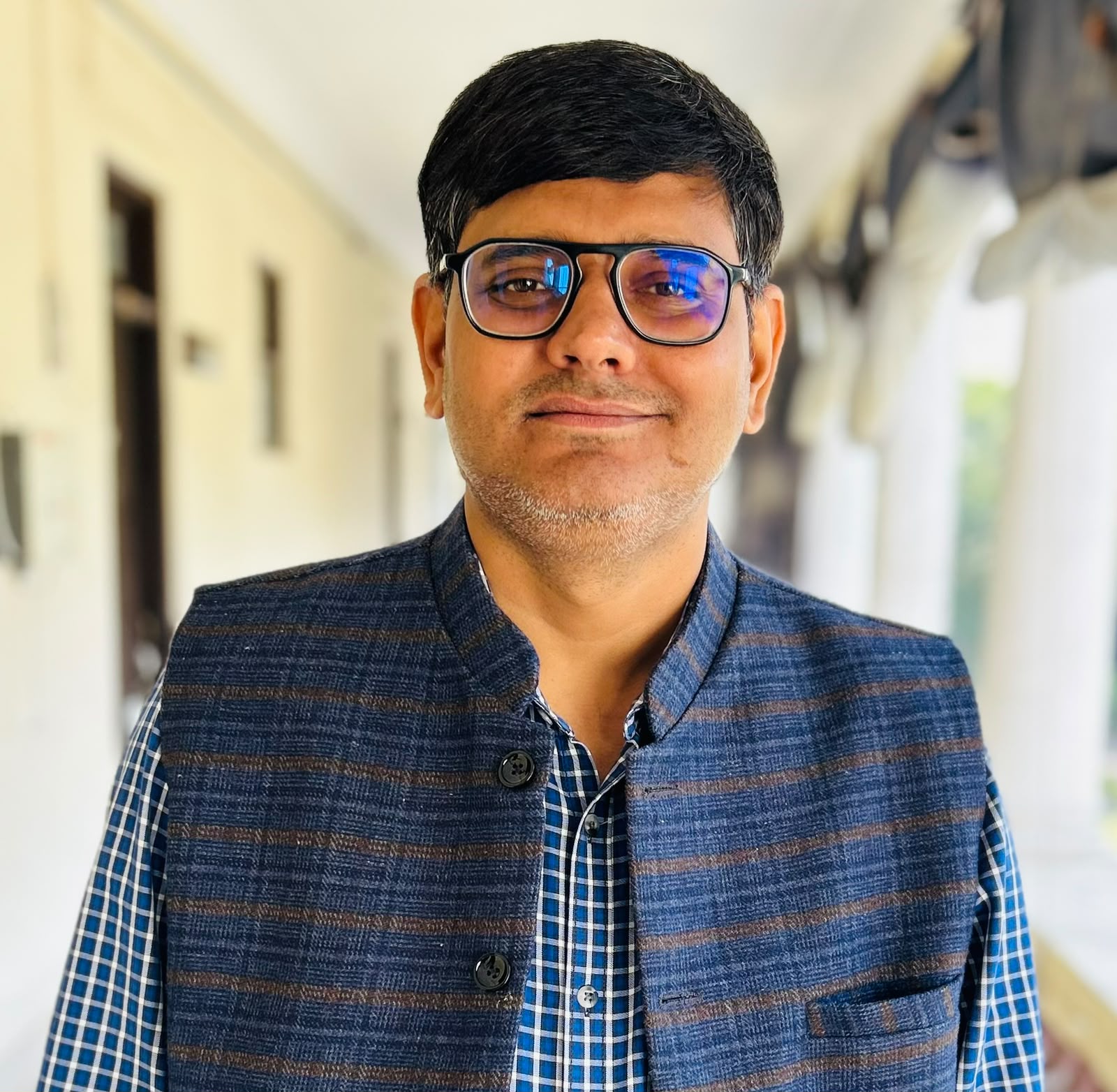
Assistant Professor
Dept. of Media Studies
HJU, Jaipur
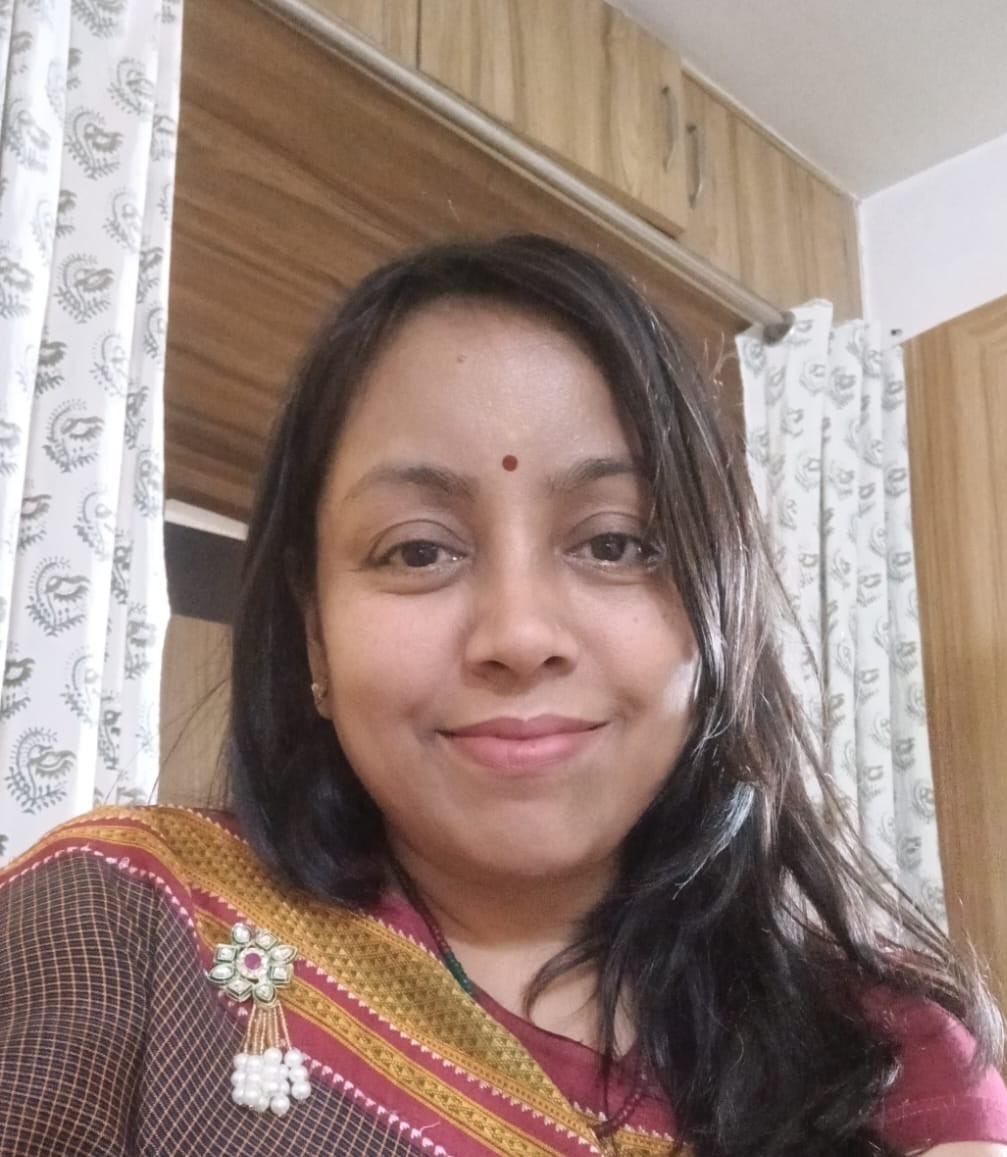
Media Academician and Researcher
Former Assistant professor, Media Studies,
Delhi School of Journalism, University of Delhi
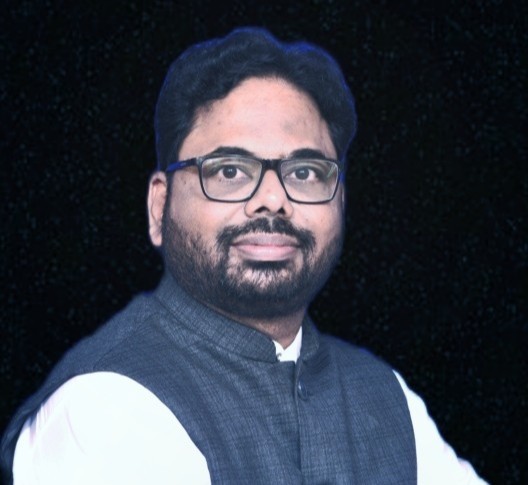
Associate Professor ,Department of Journalism & Mass communication
Station Manager, Radio Banasthali (90.4 FM)
Banasthali Vidyapith, Jaipur
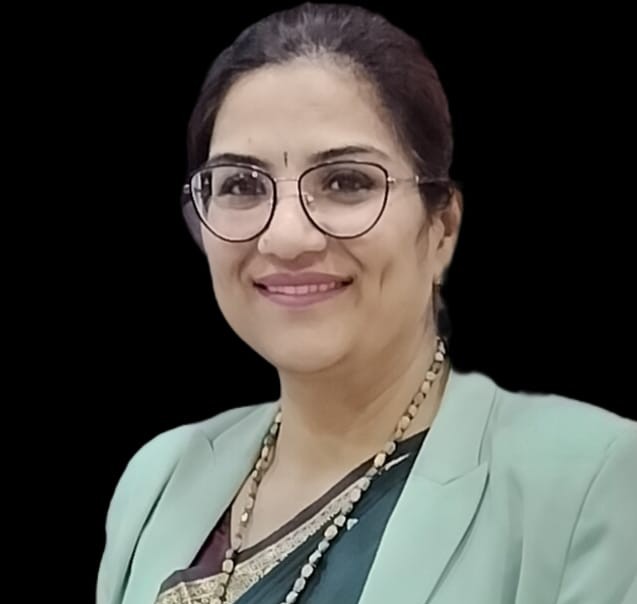
Associate Professor
Mass Communication,
Bhartiya Vidyapeeth's Institute of Computer Applications and Management, New Delhi
Assistant Professor
Dept. of Journalism and Mass Communication,
Fakir Mohan University, Odisha
Associate Professor
Amity School of Communication (ASCO)
Amity University, Jaipur
Director/Associate Dean,
School of Arts (Media Studies)
Manipal University, Jaipur
Professor, Dept of Extension and Communication,
Faculty of Family and Community Sciences
The Maharaja Sayajirao University of Baroda, Vadodara
Professor, Department of English
Ramabai Ambedkar Govt. Degree College
Gajraula, Amroha
+91 94140 73466
M. +91 95690 69220
M. +91 97843 49252
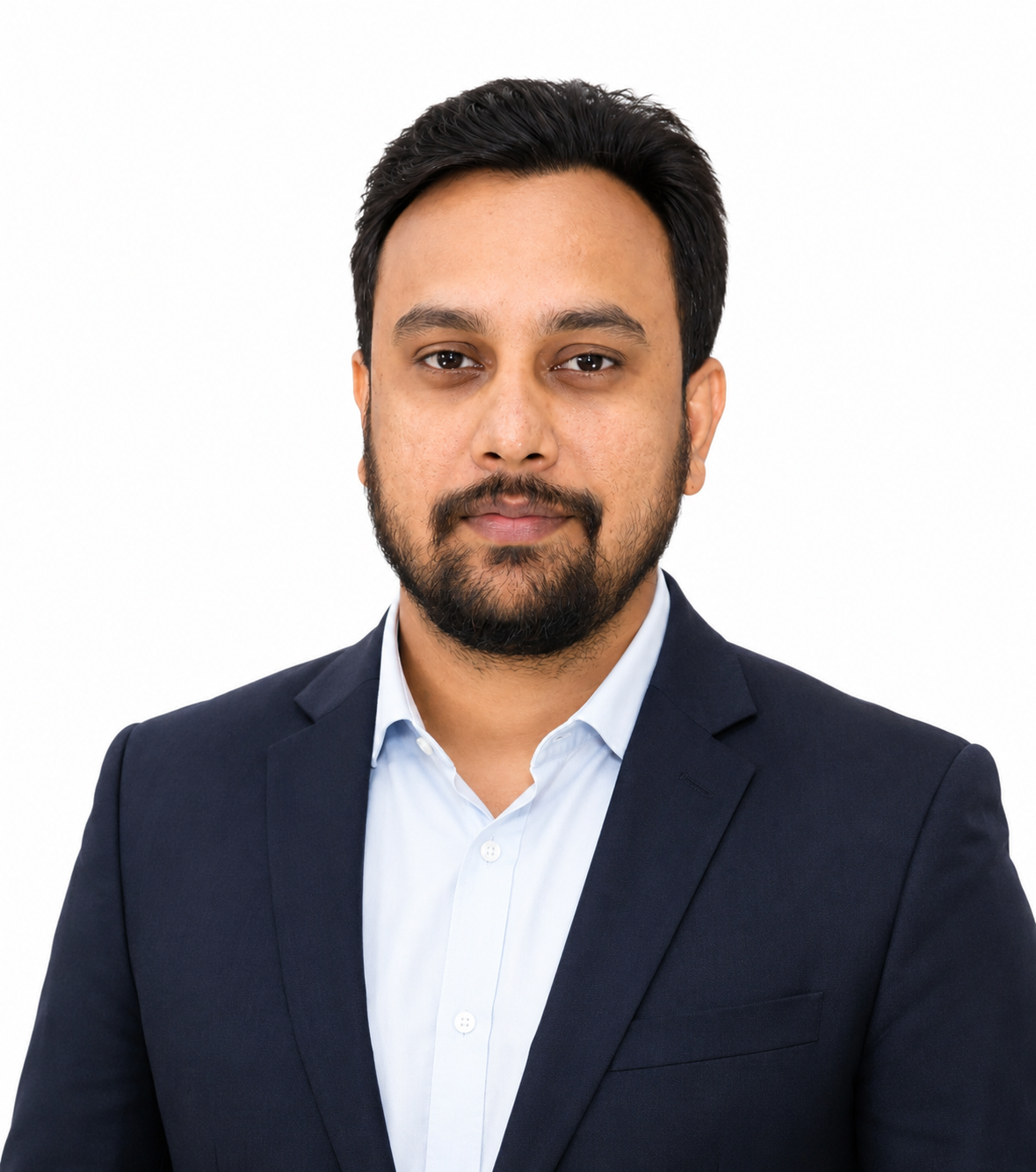
M. +91 81188 41010
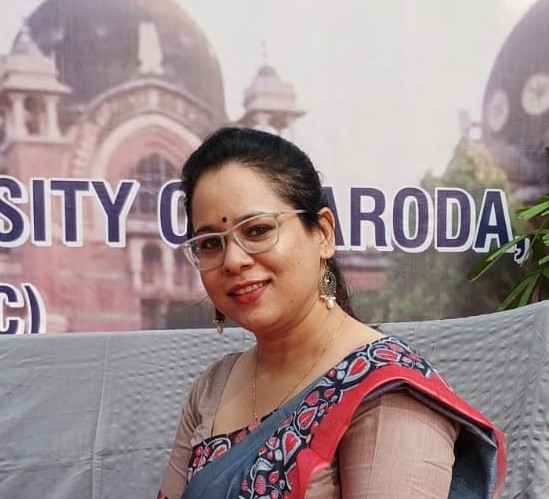
M. +7976187076
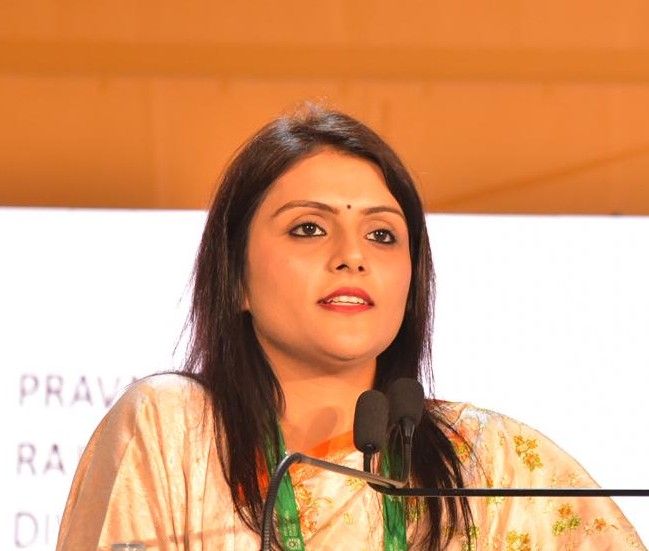
M. +91 80007 19361
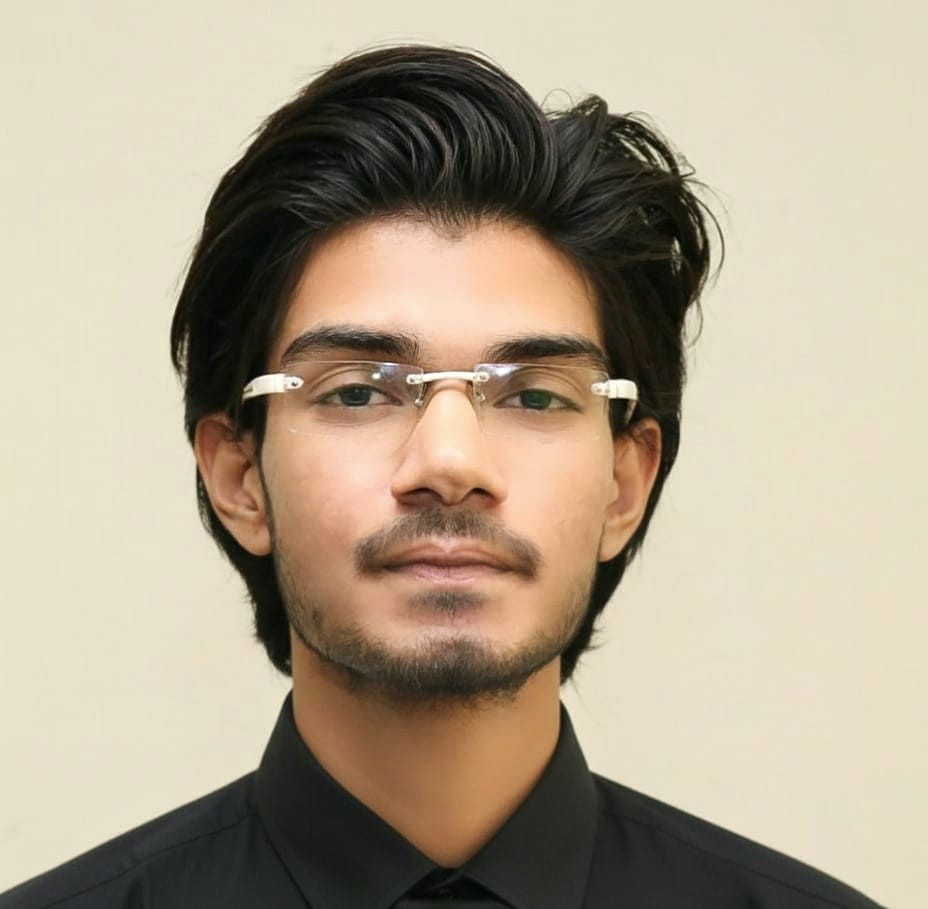
M. +91 86198 59290

Authors are requested to carefully adhere to the following guidelines before submitting their manuscripts:
The conference strongly promotes academic integrity and ethical research practices.
The conference adheres to internationally accepted standards of publication ethics and encourages responsible research practices.
Authors are expected to ensure that:
The conference follows the ethical principles recommended by the Committee on Publication Ethics (COPE).
Early Bird: till October 07, 2026 • Regular: 30 October, 2026
| Category |
Early Bird (till October 07, 2026) |
Regular (till October 30, 2026) |
|---|---|---|
| Students (UG/PG) (Online) | ₹500 | ₹700 |
| Students (UG/PG) (Offline) | ₹700 | ₹1000 |
| Research Scholars / PhD (Online) | ₹1000 | ₹1500 |
| Research Scholars / PhD (Offline) | ₹1500 | ₹2000 |
| Academicians / Faculty (Online) | ₹2000 | ₹2200 |
| Academicians / Faculty (Offline) | ₹2000 | ₹2500 |
| International (Research Scholars / PhD) (Online) | $40 | $60 |
| International (Academicians / Faculty) (Offline) | $60 | $80 |
| Conference Attendees (Online) | ₹500 | ₹500 |
| Conference Attendees (Offline) | ₹700 | ₹700 |
| Co-author Attendee +Certificate (Offline) | ₹1000 | ₹1000 |
| Additional Co-author (Certificate Only) | ₹500 (flat fee) | — |
Fill the registration form at Click Here and upload payment receipt and required documents.
| Time | Programme |
|---|---|
| 09:00 AM – 10:00 AM | Registration & Welcome Tea |
| 10:00 AM – 11:15 AM | Inaugural Ceremony |
| 11:15 AM – 11:45 AM | Tea Break |
| 11:45 AM – 02:00 PM | Technical Session I and II (Parallel Sessions) |
| 02:00 PM – 02:30 PM | Lunch |
| 02:30 PM – 04:00 PM | Technical Session I and II (Parallel Sessions) |
| Time | Programme |
|---|---|
| 10:00 AM – 10:30 AM | High Tea |
| 10:30 AM – 02:00 PM | Technical Session III, IV and V (Parallel Sessions) |
| 02:00 PM – 02:30 PM | Lunch |
| 02:30 PM – 03:00 PM | Valedictory Ceremony |
Poornima University (PU) is a UGC approved Leading Private Universities in Rajasthan. The university is situated in Sitapura, the educational hub of Jaipur in 32 Acres sprawling, lust green campus. State – of – the – art building area of university with independent academic & administrative block, hostels, laboratories, sports ground, observatory etc. provide scholarly ambience for learning & liberty. It creates a warm and protective environment with a professional atmosphere to bring out the best in the student to face the cut-throat global competition. Poornima University brings together a community of wide-ranging interests, competencies & aspirations from Engineering, Architecture, Management, Commerce, Design, Science, Public Health, Journalism and Mass Communication, Computer applications and Hotel Management.
With the enriched heritage in arts, culture and traditions of Rajasthan “Design” today has become a need
of every human being; it has come a long way in India since the past two decades. Given the vibrant
economy and dynamic market forces, the Industry is bound to grow exponentially. The scope of design has
widened its avenues. With a strong legacy in education for Civil and Architectural studies, the Faculty of
Design and Arts (FDA) is an extension to the quality education that Poornima University has been imparting
in the past. The Design programmes of FDA are accredited by the Institute of Indian Interior Designers
(IIID).
FDA culture encourages creative thinking, questioning and experimenting to harness the artistic and intellectual potential of each individual and place the institution at the leading edge of contemporary art and design discourses. A multi- disciplinary approach inculcates self- initiated learning and independent thinking and expands perceptual perspectives. Regular interaction with design studios, production and distribution centres and industry forms a vital bridge between design school and the Industry. The course are so designed to develop the learner’s worldview understanding and socio- cultural context of Design.
The Department of Journalism & Mass Communication at Poornima University, established in 2025, is committed to nurturing creative, ethical, and industry-ready media professionals through innovative teaching, experiential learning, research, and industry engagement. Despite being one of the University's newest academic departments, it has rapidly established itself as a dynamic centre for media education, emphasizing academic excellence, innovation, and industry relevance.
The department offers a vibrant academic environment that seamlessly integrates traditional communication studies with emerging digital technologies, preparing students to excel in journalism, public relations, advertising, digital media, filmmaking, animation, content creation, and strategic communication.
With a strong emphasis on skill-based education, critical thinking, creativity, and professional ethics, the department provides students with hands-on exposure through media laboratories, live projects, internships, field assignments, industry interactions, and research initiatives. The curriculum is continuously updated to meet the evolving demands of the media and communication industry, ensuring that graduates are equipped with future-ready competencies.
Through conferences, seminars, guest lectures, industry collaborations, media festivals, and research-driven initiatives, the department promotes a culture of innovation, scholarly inquiry, and lifelong learning. Guided by the vision of becoming a centre of excellence in media education, research, and innovation, the Department of Journalism & Mass Communication is dedicated to developing socially responsible, ethically grounded, and technologically proficient media professionals who can lead, innovate, and make meaningful contributions to the rapidly evolving global communication landscape.
Communication Today (ISSN 0975-217X) is a prestigious bilingual (English–Hindi) peer-reviewed journal in the field of Media and Communication, completing 30 years of uninterrupted publication. It is published by Prof. (Dr.) Sanjeev Bhanawat, Former Head, Centre for Mass Communication, University of Rajasthan, Jaipur.
Over the past three decades, Communication Today has established itself as one of India's leading academic platforms for media discourse and is widely regarded as a lighthouse for students, researchers, academicians, media educators, policymakers, and communication professionals. The journal has consistently promoted high-quality scholarship by providing a forum for critical research, professional dialogue, and contemporary perspectives on the rapidly evolving media landscape.
The journal publishes original research papers, scholarly articles, review essays, book reviews, interviews, and special features covering a broad spectrum of subjects, including Media Education, Journalism, Digital Media, Artificial Intelligence, Advertising, Public Relations, Development Communication, Print Media, Electronic Media, Social Media, Political Communication, Media Ethics, and Emerging Communication Technologies. It has also published significant research examining the impact of media on children, women, youth, senior citizens, and diverse sections of society.
A distinctive feature of Communication Today is its publication of 13 Special Issues dedicated to contemporary themes of national and international significance. Every issue published since the journal's inception is freely accessible through its official website: www.communicationtoday.net, creating a valuable digital archive for researchers across the world.
Beyond its publication activities, Communication Today has emerged as an important platform for academic engagement through its National Webinar Series, launched on 2 October 2020. The series has brought together eminent scholars, journalists, media professionals, policymakers, and students from India and abroad for meaningful discussions on contemporary issues in media, communication, journalism, technology, and society. The webinar series is rapidly approaching its landmark 250th webinar, reflecting the journal's sustained commitment to academic dialogue and knowledge dissemination. The journal's contribution to media scholarship has received national recognition. In 2011, Communication Today was honoured with the Golden Award in the External Magazine Category by the Public Relations Council of India (PRCI) for its outstanding contribution to publishing quality research in the fields of Media and Public Relations. The award was presented during the Council's Global Meet held in Chandigarh. The journal's academic contribution has also been the subject of scholarly research. Two postgraduate dissertations have critically examined the contribution of Communication Today to Media and Communication Studies—one at Punjab Agricultural University, Ludhiana, and another at Mahatma Gandhi International Hindi University, Wardha—highlighting its significant role in advancing media scholarship in India. With three decades of academic excellence, a rich digital archive, nationally recognized research contributions, influential special issues, and one of India's longest-running webinar initiatives in media education, Communication Today continues to serve as a trusted platform connecting academia, industry, policymakers, and media practitioners while fostering innovation, critical thinking, and excellence in Media and Communication Studies.
Lok Samvad Sansthan (LSS), registered in 2001 under the Rajasthan Societies Registration Act, 1958, is a Nonprofit organization (NGO), working for the last 20 years in strengthening the communication resources of development sector and promoting dimension of professional orientation in the field of Advocacy, Communication and Media. LSS has been working on a large number of Government, Non-Government, Corporate and international organization’s assignments, which are addressing various social development/ public issues, policies and programs, projects dealing with human development in Rajasthan and in the country at large.
The organization is dedicated towards the upliftment of social and developmental activities in the field of media, education, ethnic community, communication for development through numerous outcome oriented projects. We have mostly completed various projects as an implementing partner of UNICEF- Rajasthan for the last 15 years. Innovation or innovative ideas towards the welfare of the society is encouraged by our organization.
Jaipur is the capital and the largest city of the Indian state of Rajasthan in Northern India. It was
founded on November 18, 1727, by Jai Singh II, the ruler of Amer, after whom the city was named. As of
2011, the city had a population of 3.1 million, making it the tenth most populous city in the country.
Jaipur is also known as the Pink City due to the dominant color scheme of its buildings. It is 268 km (167
miles) from the national capital New Delhi. Jaipur is home to two UNESCO World Heritage Sites: the Jantar
Mantar and the Amer Fort. Jaipur is a major tourist destination in India, forming a part of the Golden
Triangle. In the 2008 Conde Nast Traveller Readers' Choice Survey, Jaipur ranked the 7th best place to
visit in Asia. Visitor attractions include the Hawa Mahal, Jal Mahal, City Palace, Amer Fort, Jantar
Mantar, Nahargarh Fort, Jaigarh Fort, Birla Mandir, Galtaji, Govind Dev Ji Temple, Garh Ganesh Temple,
Moti Dungri Ganesh Temple, Royal Gaitor cenotaphs, Sanghiji Jain temple, and the Jaipur Zoo. The Jantar
Mantar Observatory and Amer Fort are World Heritage Sites.

IS-2027-2031, Ramchandrapura,
P.O. Vidhani Vatika, Sitapura Extension,
Jaipur, Rajasthan (India) 303905
Website:
poornima.edu.in
Email:
aimec@poornima.edu.in